

Business internet is more than a circuit and a monthly bill. USA Communications helps compare connectivity, AI-assisted monitoring, backup options, and managed support around your locations and applications. We review current expenses, availability, and provider responsibilities so you have a practical plan for everyday work and outages.
1AI-Based Circuit Monitoring
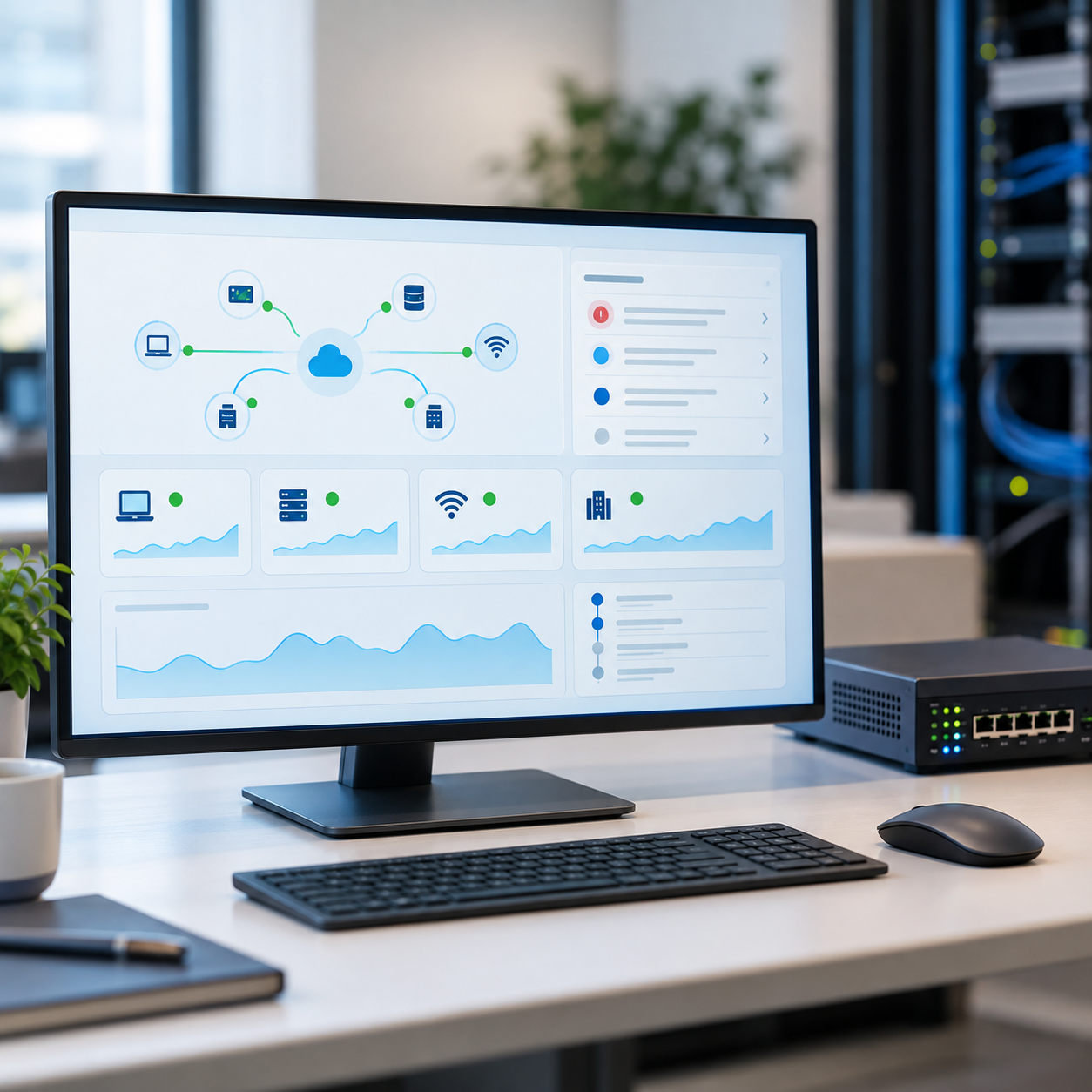
A connection going down should not leave your team wondering who to call. Supported managed services use AI-assisted monitoring to detect circuit issues, generate support tickets automatically, and route the case to the provider’s support team.
We help compare monitoring, email or text alerts, outage escalation, and visibility across your locations. Confirm which circuits and devices are covered and who follows the issue through resolution. Monitoring helps turn detection into action; it works alongside backup connectivity rather than replacing it.
2Dedicated Fiber
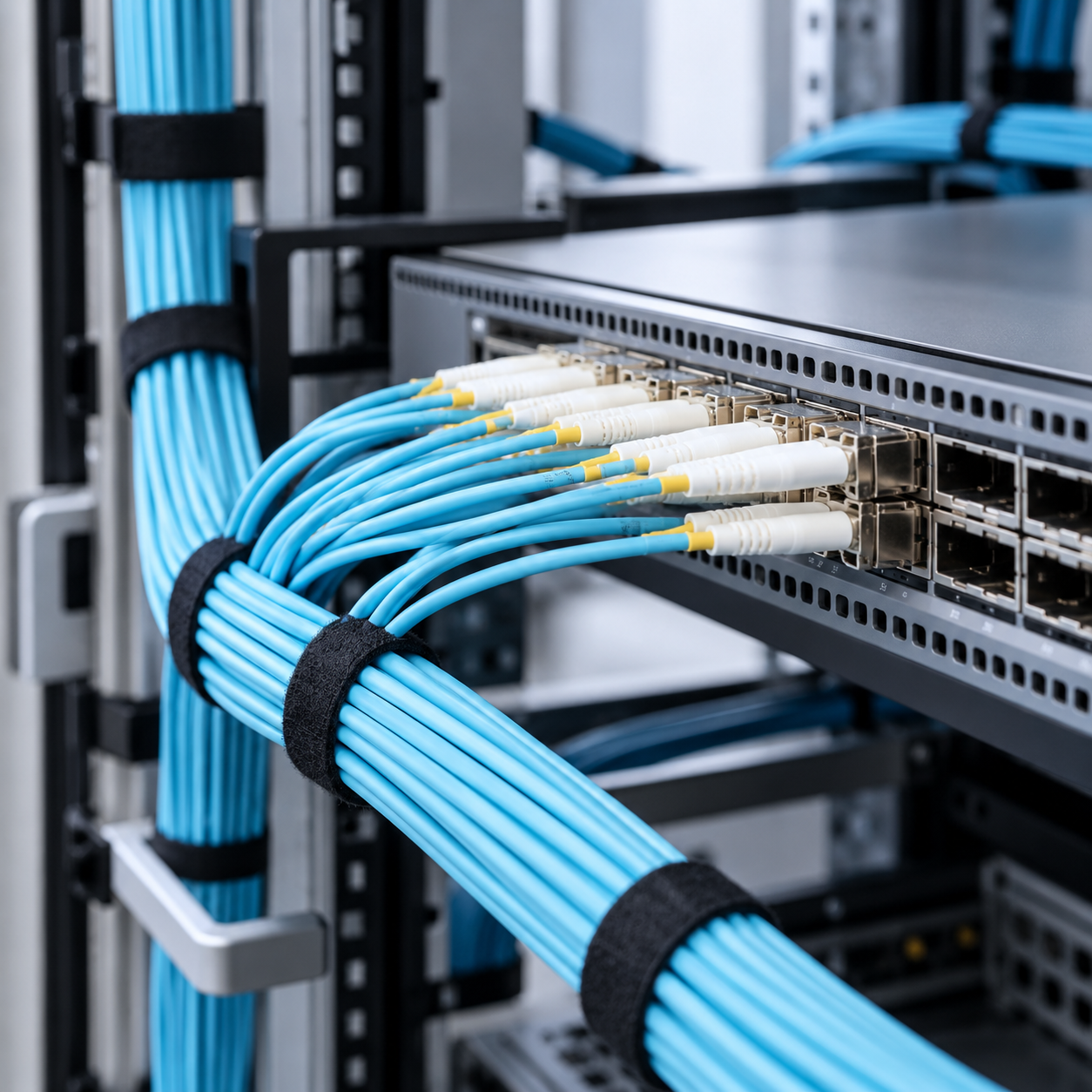
Dedicated fiber brings a fiber connection into your building with bandwidth reserved for your business. Your committed speed is not shared with neighboring subscribers. It is a strong fit for teams that depend on consistent uploads, cloud applications, calls, and video.
Dedicated service typically includes a service-level agreement (SLA) covering availability and performance. The uptime percentage, measurement point, exclusions, and service credits vary by agreement. We compare the actual commitments, installation, support, and cost before you choose.
3Shared Fiber
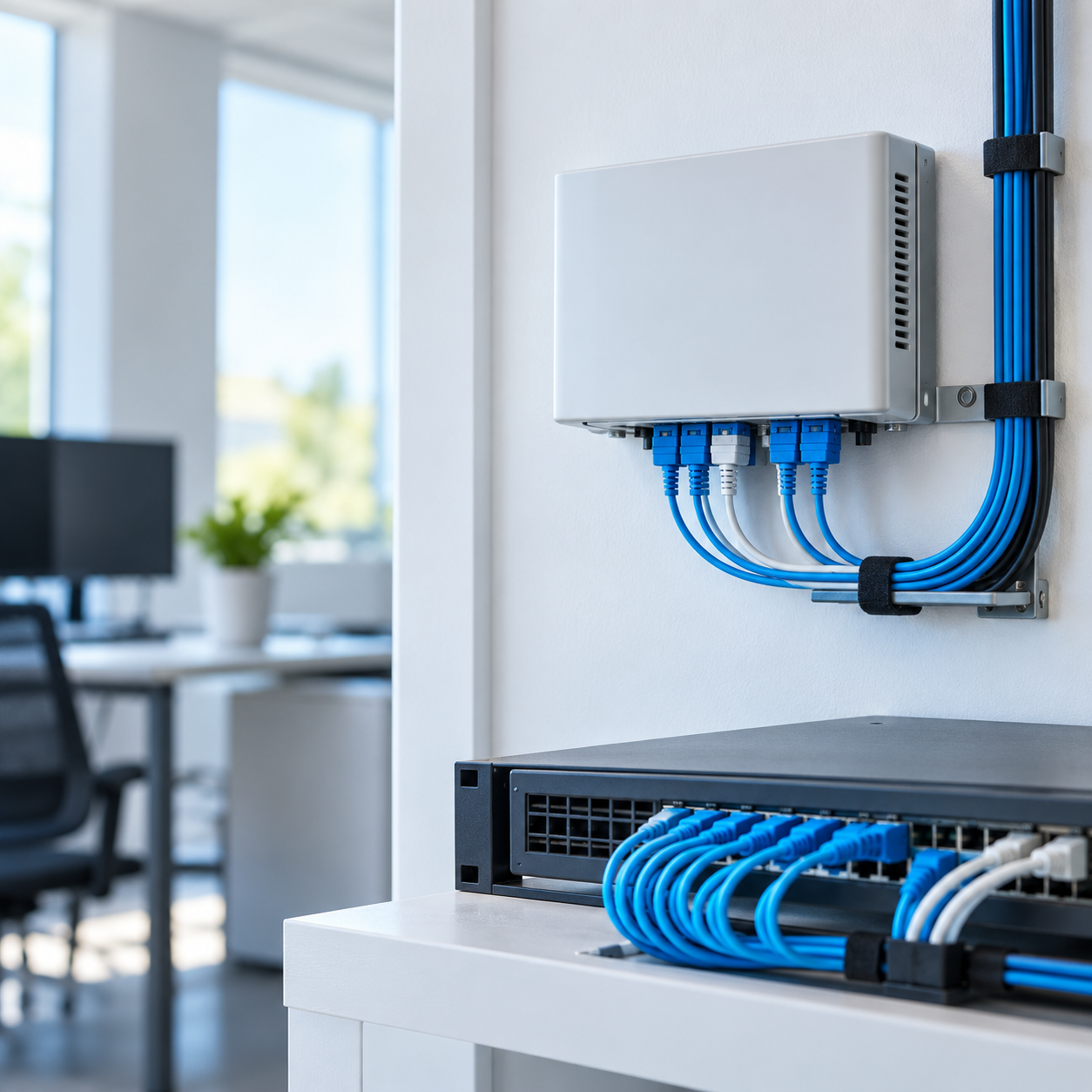
Shared fiber uses a high-capacity fiber network whose available capacity is shared among subscribers, often across several buildings or an area. Fiber can still run directly into your building, but the service does not reserve the full advertised bandwidth solely for you.
Speeds are generally offered up to the plan level and can vary with network conditions. Shared fiber can provide fast uploads and downloads at a more affordable cost than dedicated service. We review peak-time needs, support, and any service commitments against your workload.
4Broadband Internet
Cable broadband commonly uses fiber to a neighborhood network hub, then coaxial cable into the building. DSL uses copper telephone wiring. Broadband is a broader term that also includes fiber and wireless, so we confirm the actual connection type at your address.
Shared cable and DSL plans generally advertise speeds up to a stated level, rather than dedicated bandwidth. They can be affordable choices for smaller sites or backup connections. We check upload speeds, service terms, and whether the backup shares a physical route or other points of failure with your main service.
5Cellular Internet & Backup
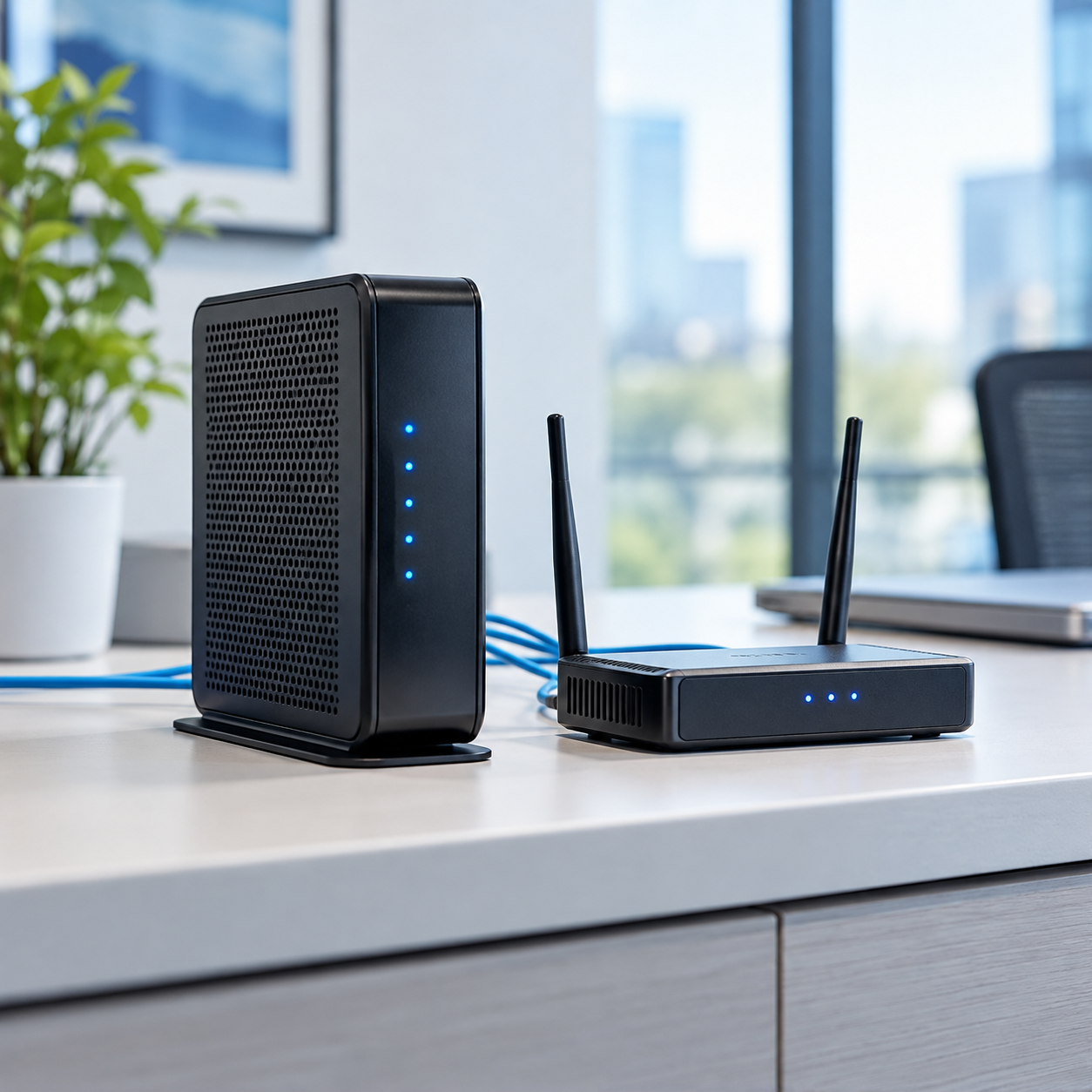
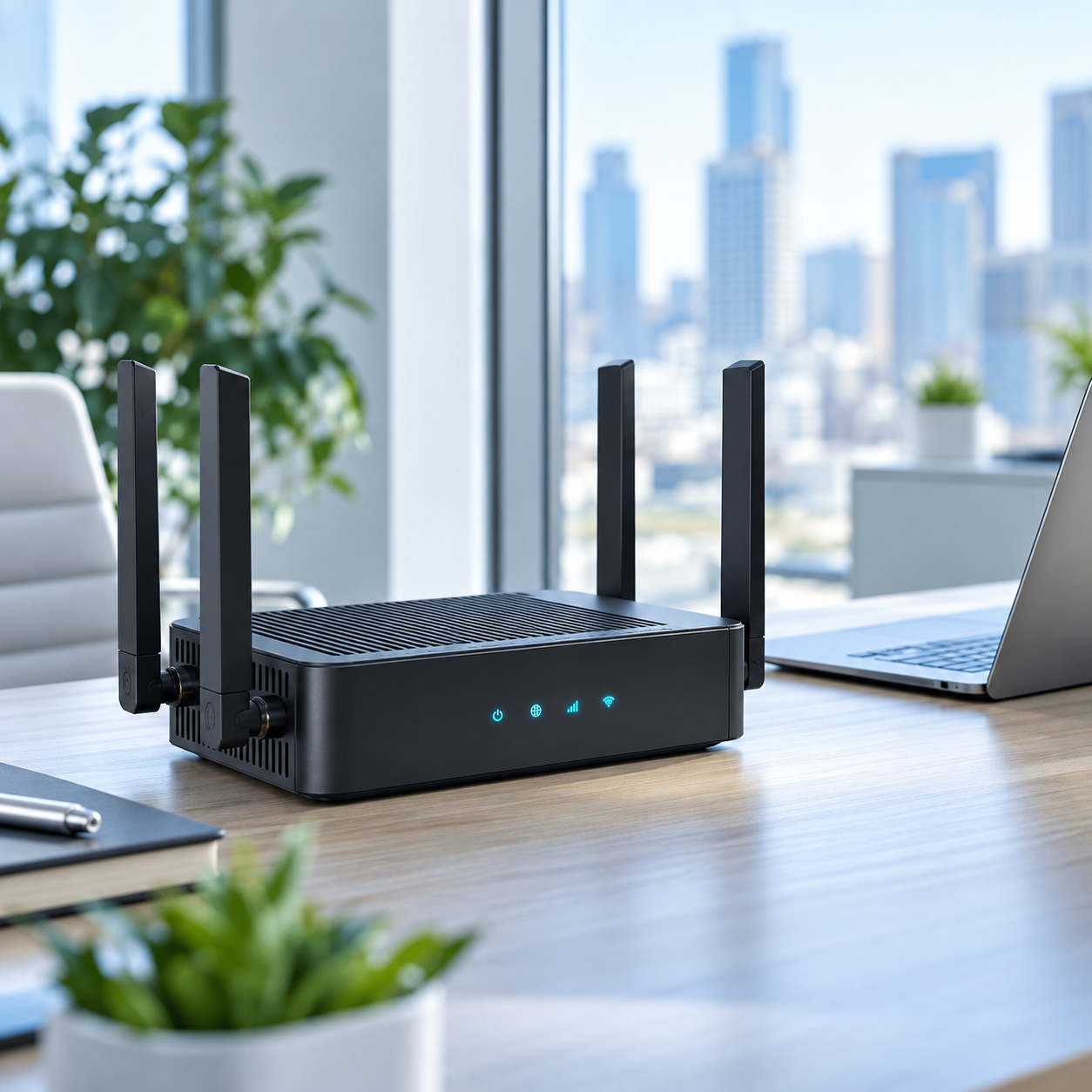
4G and 5G cellular internet can support mobile teams, work on the go, temporary locations, backup service, or a small remote site where coverage is suitable. It connects through a cellular router or gateway rather than a wired circuit into the building.
Routers with SIMs from different carriers can provide another network option when one carrier is unavailable. Dual-SIM equipment may switch between carriers; using several connections at once requires suitable modems and software. We check local coverage, antennas, data limits, power, and failover behavior before relying on it.
6Satellite Internet
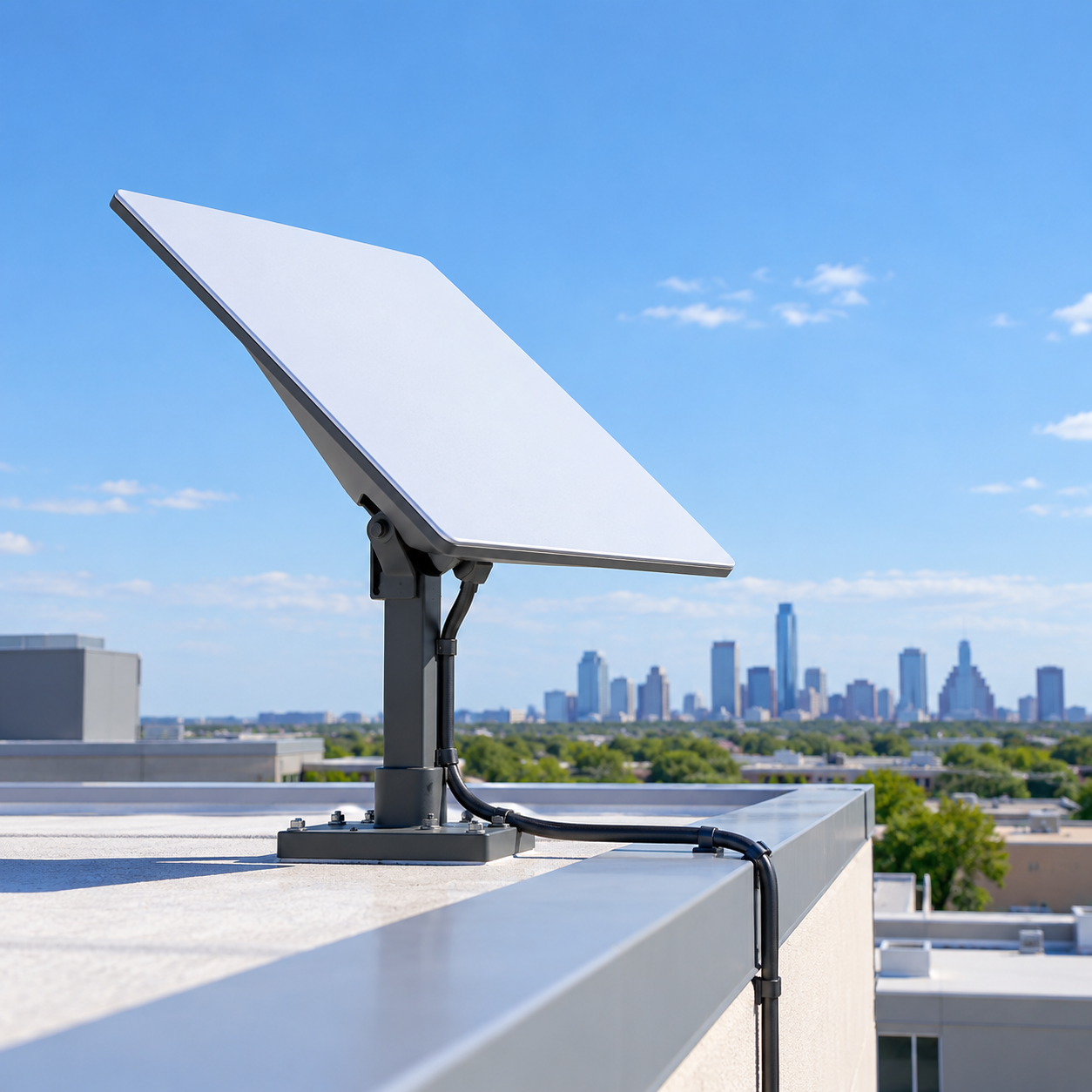
Low-earth-orbit satellite internet connects your site through an outdoor terminal with a clear view of the sky. It can be useful for remote locations where a wired line is not practical, or as a backup with a different access path from your primary service.
We review obstructions, equipment placement, power, plan allowances, coverage, and how satellite will connect to your existing network. Performance varies with conditions and service terms. Pairing it with a suitable cellular or wired connection can add resilience when the design is tested.
Review Your Business Internet
Bring us your bill, service addresses, and the issues your team notices. We’ll compare internet, monitoring, and backup options. We help coordinate your chosen provider and stay available for vendor questions.